

You notice the little things first. A dish left in the sink, a pile of unopened mail, a stumble that didn’t used to happen. Maybe it’s a forgotten appointment or a missed meal. At first, you tell yourself it’s nothing. But deep down, a quiet voice insists: pay attention.
Admitting that a parent might need more support is heavier than it seems. It’s not just logistics. It’s guilt, fear, love, and responsibility all tangled together. Waiting can feel heavier than acting, yet noticing the subtle shifts is the first step toward clarity.
Even subtle changes matter. Sometimes it’s not dramatic — a forgotten pill, a stove left on, or the way a parent hesitates on the stairs. These are quiet signals that daily life is becoming harder.
Cooking, cleaning, or personal care that once felt effortless may now require support. These small struggles can snowball quickly if not addressed.
Trips, falls, or even leaving appliances on aren’t just minor inconveniences, they’re warnings. Safety risks increase silently, and noticing them early can prevent a crisis.
Loneliness creeps in slowly. The afternoons that feel long and quiet, missed social engagements, and fading hobbies all quietly affect well-being.
It’s natural to hesitate, to doubt, to feel guilt. Caring for someone you love is emotional territory, and decisions around retirement living carry weight beyond logistics.
You might feel like you’re “forcing” a move. Remember, acknowledging needs doesn’t mean you’re controlling your parent. It means you care enough to protect them.
Independence is precious. Resistance is normal. Compassionate conversations, patience, and repeated gentle invitations to discuss options make the process feel safer and more respectful.
Siblings may have different views, which can create tension. Acknowledging perspectives while keeping the focus on your parent’s safety and comfort can reduce conflict.
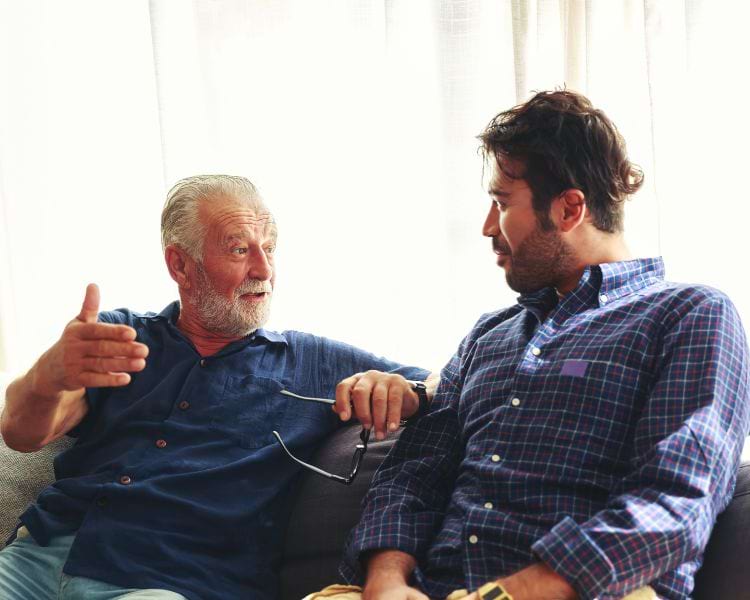
The first step doesn’t have to be a plan. Start with conversation. Sit together, ask questions, listen more than you speak. Share your hopes: safety, dignity, independence.
The conversation is the plan. Listening deeply, asking questions, and sharing concerns creates a foundation for decisions that honor your parent.
Modern retirement communities offer meals, social programs, and care when needed. Independence is preserved, and your parent can continue to thrive while supported.
Resources, advisors, and organizations can guide families through decisions without overwhelm. Step by step, conversation by conversation, clarity emerges from uncertainty.
Notice the changes. Keep dialogue open. Explore communities. Each small step now is an act of love, a preparation that honors your parent and preserves peace for your family.


Subscribe to our mailing list to receive the latest news and updates



.png)